

Pangolin Studio Y2k Disk
Adam Tavarez
May 30, 2026
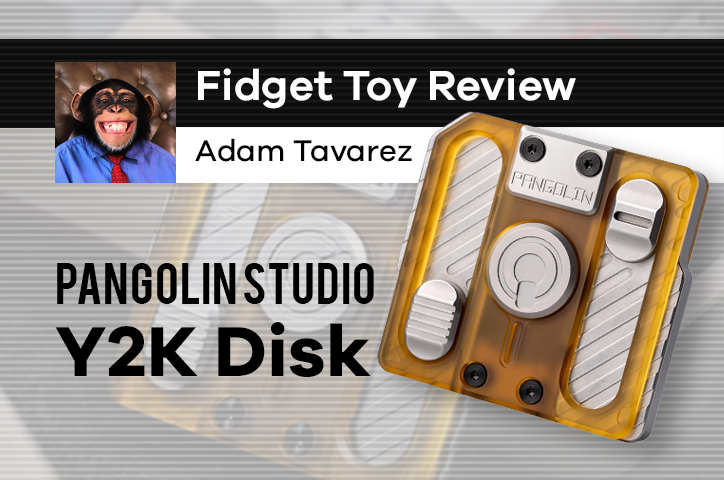
What Is the Y2K Disk? The Pangolin Studio Y2K Disk is a disk-style EDC spinner — meaning instead of arms (like a tri-spinner), it’s built as a solid circular plate that spins around a central bearing. But what makes it special isn’t just the shape — it’s the theme: Inspired by early 2000s (Y2K) tech aesthetics Designed to resemble things like: CDs / mini-discs retro computer hardware futuristic industrial components It feels less like a toy and more like a physical artifact from a different era of tech design. How It Works — Disk Spinner Mechanics Like most high-end EDC spinners, the Y2K Disk relies on a central precision bearing: You hold the center cap between your fingers Flick the outer disk The disk rotates smoothly around the bearing This is standard spinner physics — a central bearing reduces friction, allowing long, stable rotation. What makes disk spinners different: Even weight distribution → smoother, more stable spin Lower wobble compared to multi-arm designs A more “flywheel” feel — steady, controlled momentum Design Philosophy — Minimal Shape, Maximum Identity Unlike complex spinners like the ATLAS, the Y2K Disk is intentionally simple in structure but rich in design language. 1. Disc form factor Clean circular silhouette Feels like holding a coin, CD, or mechanical dial Extremely pocketable and discreet 2. Surface detailing Pangolin Studio is known for: Engraved patterns Radial textures Tech-inspired markings These details often create a hypnotic visual effect while spinning — similar to how a CD reflects light. 3. Y2K aesthetic influence The “Y2K” label refers to a very specific design vibe: Early digital-era optimism Metallic finishes, symmetry, and geometric patterns Industrial + futuristic crossover So instead of looking rugged or tactical, the Y2K Disk feels: clean, futuristic, and slightly nostalgic Materials & Build Like most Pangolin pieces, the Y2K Disk is typically made from: PEI (Polyetherimide) — the main body PEI is a high-performance engineering plastic, and it’s very intentional that Pangolin used it. Lightweight but strong Slightly grippy/warm feel compared to metal Has a distinctive amber/translucent look (very “Y2K tech” aesthetic) Can produce a different sound profile (softer, less metallic) In EDC terms, PEI gives the spinner a more organic, less cold feel than titanium. Stainless Steel (SS) — the core/internals The stainless steel is typically used for: Bearing housing/caps Internal structural parts Sometimes weight distribution elements Why SS? Durability + precision Adds mass where needed for spin stability Gives a subtle metallic contrast to the PEI body Sensory Experience The Y2K Disk focuses on a calm, controlled sensory experience: Visual: spinning patterns create a subtle optical effect Tactile: smooth, low-resistance rotation Auditory: usually quiet or soft “whir,” depending on bearing Compared to louder or clicky fidgets, this is more of a: “quiet focus tool” rather than a stimulation-heavy toy Why Collectors Want It Collectors are drawn to the Y2K Disk for reasons that go beyond function: 1. Design theme (big one) The Y2K aesthetic is niche but highly appealing — it taps into: retro tech nostalgia futuristic minimalism 2. Precision craftsmanship Like other Pangolin spinners: tight tolerances smooth bearings high-end metals This puts it firmly in the premium/collector tier. 3. Display value Even when not spinning, it looks like: a designed object something you’d photograph or display 4. Limited runs Pangolin Studio pieces are often: small-batch hard to restock That scarcity increases desirability. Here is a video of how it works:
Kunai by NAJA EDC
Adam Tavarez
Apr 6, 2026
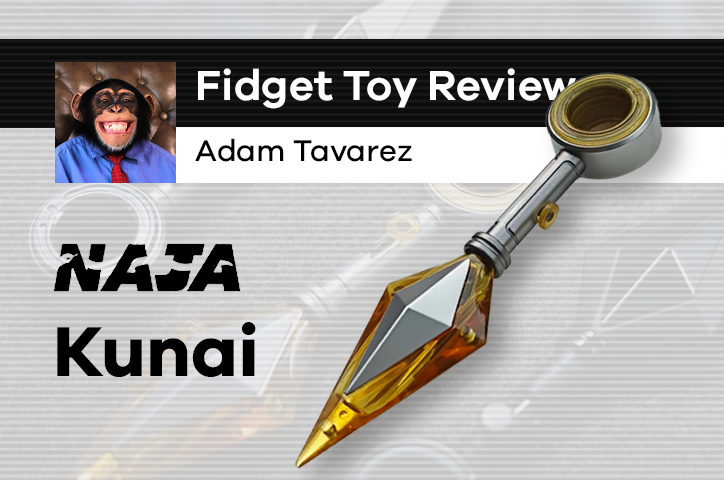
What the NAJA EDC Kunai Is The NAJA EDC Kunai is a multi-function, mechanical, everyday-carry fidget tool designed more for tactile play and engagement than for cutting or utility use. Its shape is inspired by the traditional Japanese kunai tool — familiar from ninja lore and anime — but in this case, that inspiration is aesthetic rather than functional as a weapon. It’s the first product from NAJA EDC and is aimed at people who like interesting mechanical EDC gadgets you can hold, manipulate, and play with. Main Features & How It Works Slider Section The front part of the Kunai includes a mechanical slider that you can push back and forth with your thumb The factory setup gives a segmented feel (little clicks as it moves), but tracks are designed to be interchangeable for different feels. Rotating Wheel At the back is a ring-like wheel that spins. It interacts with a magnetic feedback system — depending on where the bolt is positioned, the wheel either spins freely or gives a tactile, magnetic click feedback. Bolt-Action Mechanism In the center is a movable bolt that doubles as a mechanism to change the wheel’s mode (magnetic vs free spin). Moving that bolt changes how the tool feels and responds. DIY / Customization Most parts (except the tracks screwed in place) can be disassembled by hand, letting you customize springs, beads, or components if you like tinkering. Materials & Specs Material / Finish Price (USD) Weight Feel & Characteristics Stainless Steel + PEI $229.00 75 g Heavier and more solid in hand, the PEI parts (plastic-like) add contrast in feel and texture. Good choice if you enjoy a more tactile, “chunky” slider experience. Titanium (Silver) $319.00 90 g Slightly lighter overall than steel in other tools, but heavier than SS/PEI here because of design balance; titanium feels warmer/cooler in hand and is more premium. Great for collectors. Titanium DLC (Black) $339.00 90 g Same physical characteristics as the silver titanium but with a DLC coating that adds scratch resistance and a sleek, stealthy look. Premium finish + tactile feel. What This Means in Practice Weight Feel: The stainless + PEI version at 75 g feels substantial yet quick to flip, ideal for frequent fidget play. The titanium versions at 90 g have more momentum when you spin, slide, or manipulate them — many users find this premium feel more satisfying and “solid.” Temperature & Texture: Stainless steel + PEI has a mix of metallic coolness and warmer plastic feel (PEI). Titanium stays neutral to the touch, aging with a softer patina over time and feeling smoother against skin. Durability & Collectibility: Titanium is generally more corrosion-resistant and regarded as a premium metal among EDC enthusiasts. The DLC black finish adds extra scratch resistance and style, making it the most collectible option. The design deliberately doesn’t function as a blade or tool for cutting — its value lies in the interaction, feel, and mechanical play, much like EDC fidget gadgets people carry to keep their hands busy. Who It’s For This kind of EDC item is great if you like: Tactile mechanical interaction — something engaging to fidget with. Collectible EDC pieces with cool designs and materials. Conversation-starting gear that’s different from typical knives or tools. It’s not primarily a utility tool (like a knife or multi-tool), but more of a pocket gadget with satisfying mechanical motion, similar in spirit to high-end fidget sliders and tactile toys. Here's how it works: